
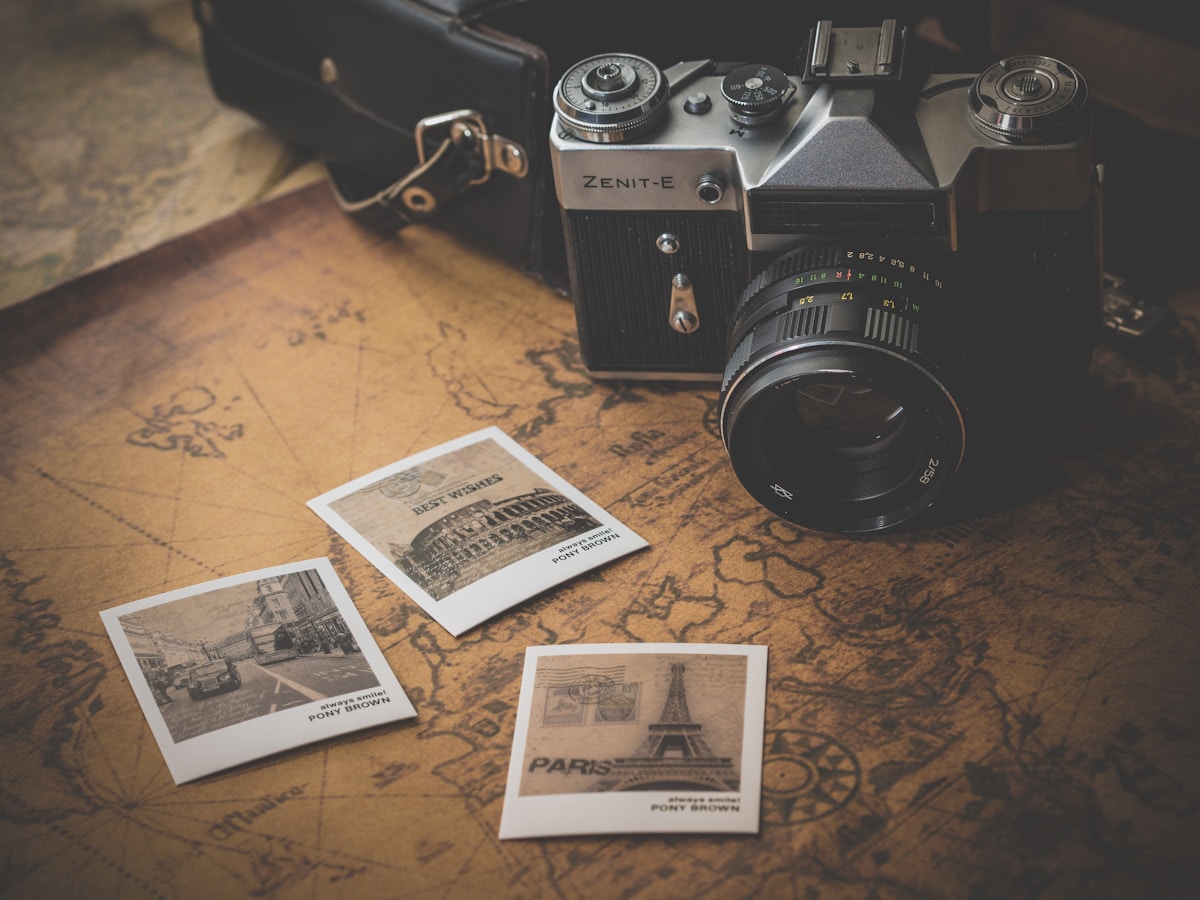
There’s a particular sound a Hasselblad 500C makes when the mirror slaps up — a satisfying, mechanical thunk that no mirrorless camera will ever replicate. I’ve been shooting digital professionally for over a decade, but when a project calls for something with weight, something deliberate, I still reach for the film bodies.
The economics don’t make sense. A single roll of Portra 400 costs more than a fast SD card that holds thousands of frames. Processing takes days. Scanning introduces another round of decisions about color profiles and dust removal. And yet.
What film forces upon you is intentionality. With thirty-six frames in the magazine, you don’t spray and pray. You meter twice. You wait for the decisive moment not because you’re patient, but because you have to. Every click costs something — not just money, but an opportunity you won’t get back.
Last month I shot a small personal project entirely on film — twelve rolls of Tri-X 400 pushed to 1600, developed in Rodinal. The grain is aggressive, almost painterly. The clients I showed it to didn’t quite know what to make of it. “It looks… different,” one said. “Like a memory.”
Exactly.